Make marketing decisions you can still defend after the results come in.
Bayesian statistics for marketers who suspect three orders are not a trend. No programming required. One fictional lunch bag. Every number checkable with a calculator.
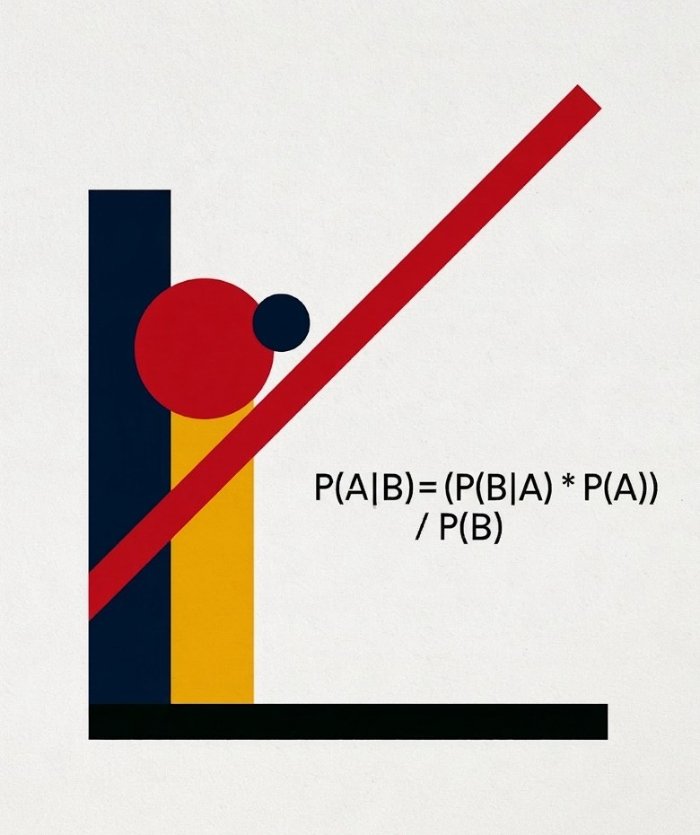
Two ads. Three orders. One very confident founder.
You’ve been in that meeting. The dashboard says 2.0% versus 1.7%, displayed to two decimal places, as if the difference were a settled fact about the future. Someone declares a winner. The budget moves.
Then next week arrives, and the “winner” doesn’t.
But it keeps happening. The lousy afternoon that becomes a “collapsing campaign.” The $300 test that was never going to answer anything. The request to “tighten up” the uncertainty, as if it were a formatting choice.
Here’s the possibility: what if you could look at the same numbers and say, precisely and calmly, how much they are worth? Not a vibe. A number, with a range, attached to the question that actually matters.
Now picture the other meeting. Someone says the data is clear. You say: here is what we measured, here is what we can infer, here is what we can’t know yet, and here is what it would cost to find out. And the room believes you, because you can show them the floor.
That room is why this book exists.
This is not a book that asks you to trust it.
Every number in it can be verified with a calculator. We checked. Twice. If you find one that doesn’t hold, email me and I’ll fix it.
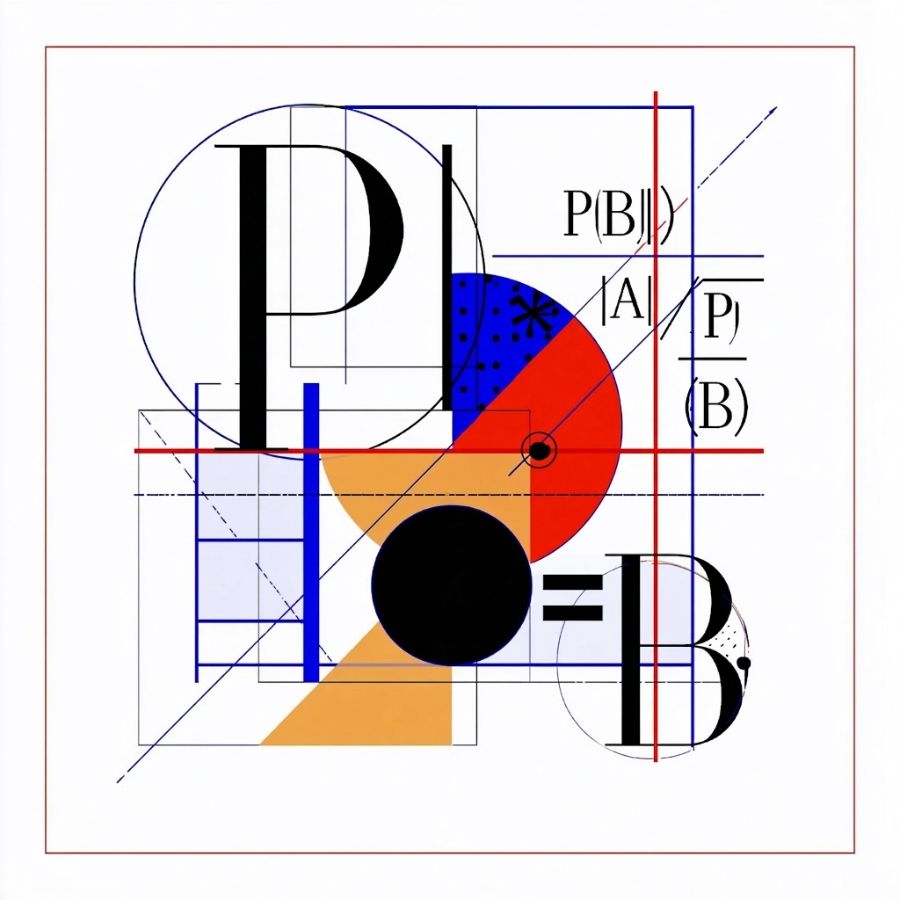
The book’s method in five moves.
- 01Define the decision before the math. A beautifully computed probability about the wrong target still funds the wrong campaign.
- 02Attach probability to the business threshold. Break-even CPA, not the vanity metric the dashboard volunteered.
- 03Price the test before you run it. Sometimes the honest answer is that the answer costs more than it’s worth.
- 04Keep measured, inferred, and caused in separate buckets. The whole book is this distinction, exercised until it’s reflex.
- 05Let AI propose; let checks decide. Four AI-assistant tasks, and a failure test to run against any AI analyst before you trust it.
You’ll follow North Pier from a two-day overreaction to a decision memo a founder can defend after the outcome arrives, including the uncomfortable moment where a 99.1% probability still isn’t a reason to move the whole budget.
The next time someone says the data is clear, you’ll know exactly which question it actually answered.
Download Bayesian Marketing, free.
DOWNLOAD THE PDF ↓And if a number doesn’t check out, my inbox is on the last page.
The book is yours with no email address. If you’d like the newsletter, Bayesian thinking for real marketing decisions from Vice & Variance, there’s a separate sign-up here. It stays optional. That seemed consistent with the book.

Atma Degeyndt is a marketing strategist, entrepreneur, and unapologetic advocate for replacing marketing guesswork with scientific discipline. With a background in journalism, educational psychology, and advanced studies in marketing psychology, he combines behavioral science, Bayesian statistics, machine learning, and a healthy skepticism of conventional marketing wisdom.
Over his career, he has helped startups achieve growth of up to 500%, taken an e-commerce business from zero to $1.8 million in annual recurring revenue in just 16 months, and mentored more than 130 founders.
Today, he builds AI-powered marketing systems that turn uncertainty into measurable decisions. His philosophy is simple: good marketers have opinions. Great marketers know how to test them.